


Enhance Workplace Safety with Effective Machine Guards

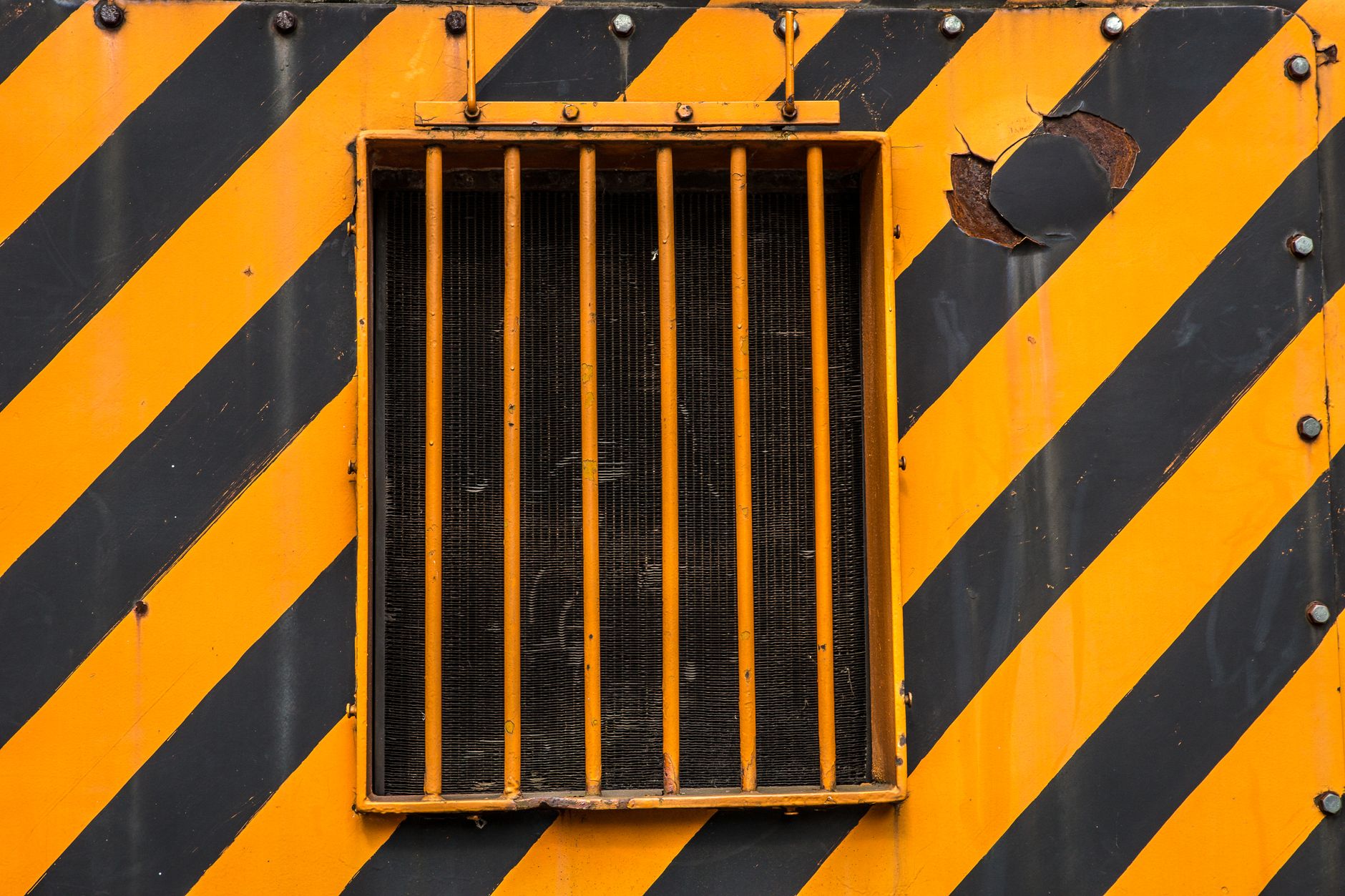
Welcome to the world of machine safety, where protecting employees and equipment is of utmost importance. Machine safety guards are an essential component in preventing accidents and ensuring a safe working environment. By installing and maintaining these guards, companies can prevent injuries, reduce downtime, and improve overall productivity.
Introduction to Machine Safety Guards
Machine safety guards are designed to protect workers from the hazards associated with machinery and equipment. These guards can be physical barriers, such as fencing or gates, or they can be electronic, such as sensors or interlocks. The primary function of machine safety guards is to prevent accidental contact with moving parts, sharp edges, or other hazardous components.
There are various types of machine safety guards, including perimeter guards, point-of-operation guards, and power transmission guards. Each type of guard is designed to address specific hazards and provide a safe working environment for employees. By understanding the different types of machine safety guards, companies can ensure that their equipment is properly safeguarded and that their employees are protected.
Benefits of Machine Safety Guards
Machine safety guards offer numerous benefits, including reduced risk of injury, improved productivity, and increased compliance with regulatory requirements. By installing machine safety guards, companies can also reduce their liability and minimize the risk of costly lawsuits. Furthermore, machine safety guards can help to prevent equipment damage, which can lead to costly repairs and downtime.
Types of Machine Safety Guards
There are several types of machine safety guards, each designed to address specific hazards and provide a safe working environment. Some common types of machine safety guards include physical barriers, such as fencing or gates, and electronic guards, such as sensors or interlocks. Additionally, there are power transmission guards, which are designed to protect workers from the hazards associated with power transmission components, such as gears, belts, and chains.
Machine safety guards can also be categorized based on their function, such as perimeter guards, point-of-operation guards, and safeguarding devices. Perimeter guards are designed to prevent access to hazardous areas, while point-of-operation guards are designed to protect workers from the hazards associated with specific machine operations. Safeguarding devices, on the other hand, are designed to detect and respond to hazardous conditions, such as excessive temperature or pressure.
Machine Safety Guard Standards and Regulations
There are various standards and regulations that govern the use of machine safety guards, including OSHA regulations and ANSI standards. These standards and regulations provide guidelines for the design, installation, and maintenance of machine safety guards, as well as requirements for employee training and education. By complying with these standards and regulations, companies can ensure that their machine safety guards are effective and compliant.
Implementing Machine Safety Guards
Implementing machine safety guards requires a thorough understanding of the hazards associated with machinery and equipment. Companies must conduct a thorough risk assessment to identify potential hazards and determine the most effective machine safety guards to mitigate those hazards. Additionally, companies must ensure that their machine safety guards are properly installed and maintained, and that employees are trained on their use and function.
Machine safety guards can be implemented in various ways, including the installation of physical barriers, electronic guards, or power transmission guards. Companies can also implement safeguarding devices, such as sensors or interlocks, to detect and respond to hazardous conditions. By implementing machine safety guards, companies can prevent accidents, reduce downtime, and improve overall productivity.
Machine Safety Guard Maintenance and Inspection
Regular maintenance and inspection of machine safety guards is critical to ensuring their effectiveness. Companies must establish a routine maintenance schedule to inspect and test machine safety guards, as well as to perform any necessary repairs or replacements. Additionally, companies must ensure that employees are trained on the proper use and maintenance of machine safety guards, and that they understand the importance of reporting any defects or malfunctions.
What are machine safety guards?
Machine safety guards are devices or systems designed to protect workers from the hazards associated with machinery and equipment, and are an essential component of machine safety guards?
Why are machine safety guards important?
Machine safety guards are important because they help prevent accidents, reduce downtime, and improve overall productivity, which is a key benefit of using machine safety guards?
What types of machine safety guards are available?
There are various types of machine safety guards, including physical barriers, electronic guards, power transmission guards, and safeguarding devices, which are all part of the machine safety guards family?
How do I implement machine safety guards?
Implementing machine safety guards requires a thorough understanding of the hazards associated with machinery and equipment, as well as a thorough risk assessment to determine the most effective machine safety guards to mitigate those hazards, and is a key part of machine safety guards?
How often should I inspect and maintain machine safety guards?
Regular maintenance and inspection of machine safety guards is critical to ensuring their effectiveness, and companies should establish a routine maintenance schedule to inspect and test machine safety guards, which is an important aspect of machine safety guards?
In conclusion, machine safety guards are an essential component in preventing accidents and ensuring a safe working environment. By understanding the different types of machine safety guards, companies can ensure that their equipment is properly safeguarded and that their employees are protected. Regular maintenance and inspection of machine safety guards is also critical to ensuring their effectiveness. By implementing machine safety guards and following proper safety protocols, companies can prevent injuries, reduce downtime, and improve overall productivity, which is the ultimate goal of machine safety guards.